Protein-heavy diets are dominating wellness content online, with influencers claiming that “protein maxxing” can speed up weight loss, improve muscle growth, and boost athletic performance. The trend centers on eating unusually high amounts of protein throughout the day, often far beyond standard nutritional recommendations.
While protein plays an important role in overall health, several medical experts warn that pushing intake to extreme levels may create serious long-term health concerns.
The growing popularity of the diet has sparked conversations about balance, sustainability, and how much protein the body actually needs.
What Is Protein Maxxing?
Protein maxxing refers to intentionally increasing protein intake to very high levels, usually through meals packed with meat, eggs, shakes, protein bars, and supplements. Supporters of the trend believe that excess protein helps preserve muscle, reduce hunger, and improve fitness results.
The approach has gained traction among gym communities and social media creators who promote high-protein meal plans as a shortcut to a leaner body. Yet experts say the average person rarely needs such aggressive protein consumption.
Dr. Penny Stern, Chief of Preventive & Lifestyle Medicine at Northwell Health, says extremely high protein intake is not considered healthy or necessary for most adults.
“Increasing dietary protein to extreme levels cannot be acceptable,” Stern told PEOPLE.
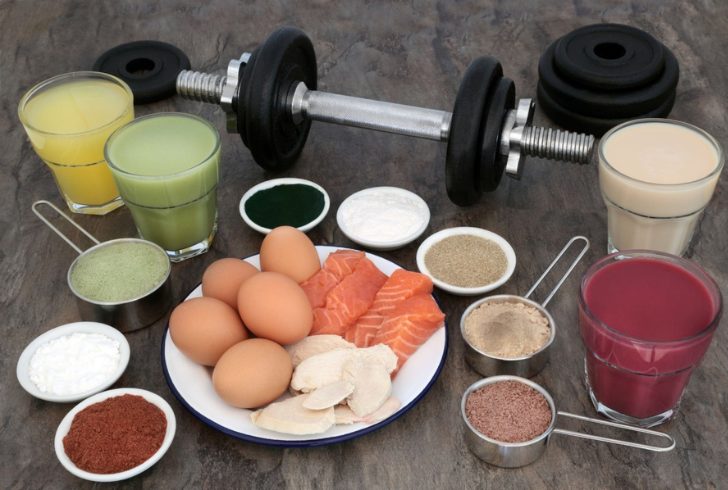
Freepik | Protein maxxing is the practice of consuming extreme protein levels to boost muscle retention and fitness results.
How Much Protein Does the Body Need?
According to Stern, most adults only require around 0.8 to 1.2 grams of protein per kilogram of body weight each day. Athletes, highly active individuals, and older adults may need slightly more because protein helps repair and maintain muscle tissue.
People following calorie-restricted diets may also increase protein intake to support fullness and muscle preservation. Still, experts say many Americans already consume enough protein without dramatically changing their eating habits.
The issue begins when protein intake turns excessive and replaces other important nutrients.
Health specialists say the kidneys face the greatest strain when protein consumption becomes too high. The body must filter waste materials produced during protein breakdown, especially nitrogen compounds.
“You can really overdo it as far as the kidney is concerned,” Stern explained. “You're forcing the kidneys to do things that can really strain it over time.”
The kidneys work continuously to remove excess waste from the bloodstream. Over time, that added pressure may increase the risk of kidney stress, inflammation, and elevated blood pressure. People already living with renal disease are commonly advised to reduce protein intake to avoid worsening kidney function.
“The kidneys have to filter excessive amounts of material coming from proteins,” Stern said. “The kidney gets stressed, it gets strained.”
Experts also point out that the body functions as an interconnected system. When one organ experiences prolonged stress, other areas can be affected as well.
The Return of an Older Diet Pattern
Some nutrition experts compare protein maxxing to the “Atkins” diet trend that became widely popular in the early 2000s. The eating plan focused heavily on high protein and low carbohydrate intake and attracted celebrity followers, including Kim Kardashian.
Although the diet gained attention for rapid weight loss, several researchers later raised concerns about possible links to heart disease and certain cancers.
Stern says protein remains essential for survival and muscle maintenance, but excess intake creates unnecessary risks.
“Protein is an essential. It's necessary, but anything excessive is potentially negative,” she said.
Balance Matters More Than Extremes

Freepik | Excessive protein intake can sideline the fruits, vegetables, and whole grains your body needs to thrive.
Another concern involves what disappears from the plate when protein dominates every meal. Stern notes that many people already fall short on fiber intake, which supports digestion, heart health, and blood sugar control.
High-protein eating patterns can crowd out vegetables, fruits, legumes, and whole grains — foods the body also depends on for long-term wellness.
“Most people in this country don't get enough fiber,” Stern explained. “And that's a huge problem.”
Before starting any restrictive or extreme diet plan, experts recommend speaking with a healthcare professional or registered dietitian. Personalized guidance matters, especially for people with kidney conditions, high blood pressure, or metabolic concerns.
Nutrition experts continue to emphasize moderation over restrictive food trends. Short-term diet crazes may produce quick results, but sustainable eating habits usually support better long-term health outcomes.
“Extremes are not good. You want balanced. You want moderation,” Stern said. “You want people to do things that are sustainable for a lifetime.”
Protein remains an important part of a healthy diet, though balance, variety, and realistic nutrition goals still matter far more than internet trends.