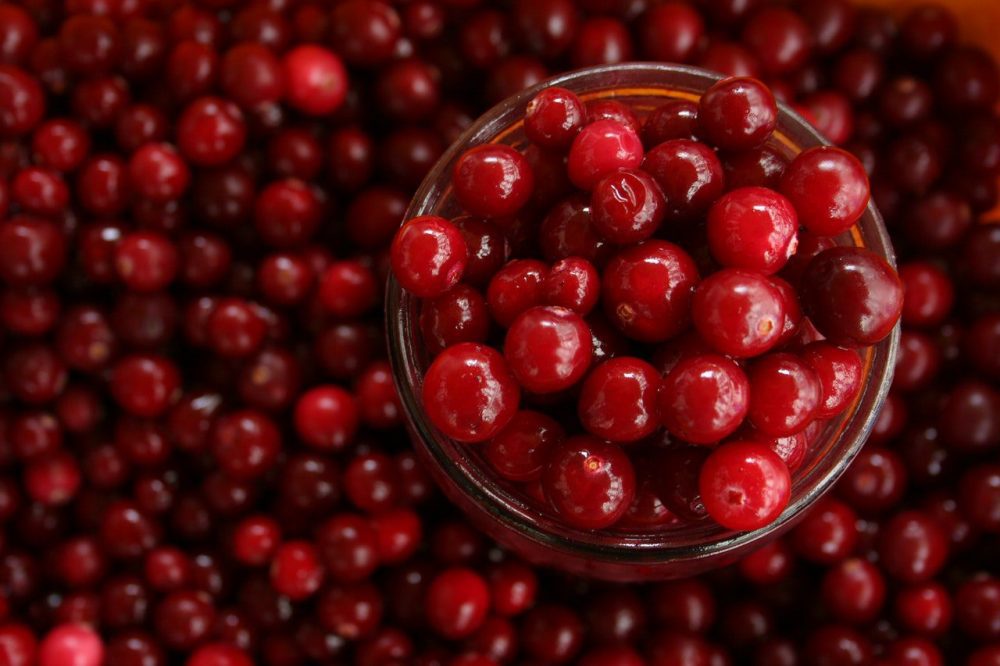
A growing wave of research shows a clear pattern: people who eat more polyphenol-rich foods tend to have healthier hearts over time. Polyphenols are natural compounds in fruits, vegetables, nuts, seeds, tea, and coffee. They help protect cells from stress and support key systems that control inflammation, cholesterol, and blood pressure.
The newest and most detailed look at this topic comes from a large 2025 study from King’s College London. It followed more than 3,100 adults for 11 years and offered rare long-term insight. The results point to one message: You do not need a dramatic diet overhaul to support your heart. You only need steady habits that stick.
The team used urinary metabolites to track intake, a first for a study this large. These metabolites form when the body breaks down polyphenols, creating a reliable biological snapshot of what people actually consumed. Participants with higher metabolite levels had better heart profiles, including lower cardiovascular risk scores and higher HDL cholesterol. The findings make the link hard to ignore.
The researchers also shifted focus from counting isolated compounds to studying real food patterns. They created a polyphenol dietary score that tracked 20 common foods. This approach painted a clearer picture. It showed that a whole-food pattern rich in polyphenols mattered more than estimates of overall intake.
However, the most striking result came from the 11-year timeline. Heart risk typically rises with age, but people who ate more polyphenol-rich foods showed a slower rise. Senior author Professor Ana Rodriguez-Mateos noted that long-term habits can “substantially slow the rise in cardiovascular risk as people age.”
How Polyphenols Help Heart Health

Roman / Pexels / One key benefit is improved cholesterol balance. A 2024 meta-analysis found that polyphenol-rich nuts like almonds lowered total and LDL cholesterol while raising HDL levels.
The new King’s College study again tied higher HDL to greater polyphenol intake, supporting the idea that these foods help keep cholesterol in a healthier range.
Polyphenols also support blood pressure. A 2024 review of 281 studies found that catechin supplements, commonly found in tea, improved both systolic and diastolic pressure. While supplements were the focus in that review, the effect reflects how these compounds behave in the body. Regular intake of foods appears to offer steady support for blood vessel function.
Inflammation is another key part of the story. Chronic inflammation feeds many heart problems. Studies show that polyphenols help calm this process. Flaxseed, for example, has been shown to reduce C-reactive protein, a major marker of inflammation. Over time, lower inflammation means less stress on arteries and better long-term resilience.
Scientists are also paying closer attention to how polyphenols interact with the gut microbiome. These compounds do not work alone. Gut bacteria break them down into smaller molecules that the body can absorb more easily.
How You Can Add More Polyphenols to Your Diet?
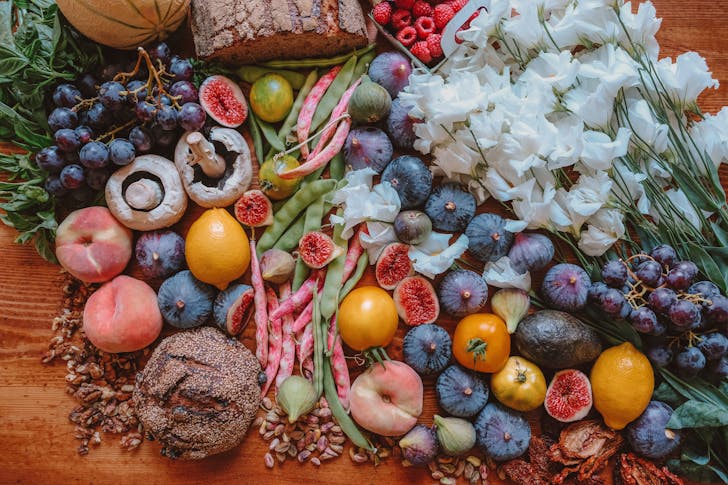
Ella / Pexels / Lead author Dr. Yong Li says that these compounds are “widely available in everyday foods,” and the list is easy to work into a normal routine.
Tea and coffee are strong sources and already common daily drinks for many people. Berries, apples, and citrus fruits bring color and variety with little effort.
Similarly, nuts and seeds add another simple path. Almonds, walnuts, flaxseeds, and Brazil nuts pack high levels of polyphenols in small portions. Using them as snacks or adding them to oatmeal or yogurt keeps the process stress-free.
Dietitian Tracy Parker from the British Heart Foundation stresses that variety matters. She encourages eating a wide range of fruits and vegetables, choosing whole grains, including nuts and seeds, and enjoying tea or coffee in moderate amounts.