Kabbalah stands as one of Judaism’s most fascinating mystical traditions, yet its intellectual depth did not grow in isolation. While its roots remain firmly grounded in Jewish scripture, rabbinic interpretation, and mystical reflection, Greek philosophy shaped much of its deeper structure.
In particular, Neoplatonism, Gnosticism, and Aristotelian logic helped give Kabbalah the philosophical language that later mystics used to explain divine reality, the soul, and the universe.
This connection reveals how medieval Jewish thinkers absorbed surrounding intellectual currents and transformed them into something uniquely their own.
How Kabbalah Built Its Mystical Framework
The earliest major Kabbalistic writings appeared in medieval Spain and Provence during the 12th and 13th centuries. Jewish mystics sought answers to profound spiritual questions:
How does God relate to creation?
How does the soul return to its source?
What hidden patterns shape existence?
At the center of this worldview sits the Ein Sof, the infinite and unknowable divine source. From this boundless reality flows creation through the Ten Sefirot, a structured chain of divine emanations. These Sefirot shape the famous Tree of Life, which maps the spiritual architecture of existence.
Although this system emerged from Jewish mystical thought, its philosophical structure closely mirrors major Greek metaphysical ideas.
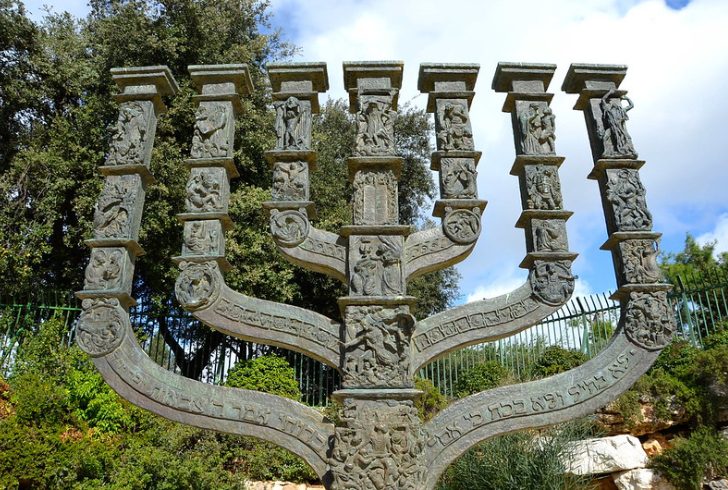
Instagram | @icejsa | Kabbalah explains creation through the Ein Sof and the Ten Sefirot, forming a structured path of divine energy.
Neoplatonism and the Idea of Divine Emanation
The strongest Greek influence appears through Neoplatonism, especially the philosophy of Plotinus. He described all reality as flowing from a single transcendent source called The One. This source exists beyond description, language, and ordinary thought.
That concept strongly parallels the Kabbalistic Ein Sof.
Just as Plotinus taught that reality unfolds through successive emanations, Kabbalah presents divine light descending through the Sefirot in carefully ordered stages. Each level reveals a different quality of divine presence while moving farther from the pure source.
This shared structure forms a cosmic hierarchy that begins with an infinite divine source, flows through successive spiritual levels, and ultimately extends to the realms of soul and intellect before culminating in material existence.
Both traditions describe creation as an ordered overflow rather than a sudden event.
Neoplatonism also deeply influenced Kabbalah’s view of the soul. Plotinus taught that the soul originates in divine reality but becomes entangled in matter. Through contemplation and purification, it can rise back toward unity.
Kabbalah presents a nearly parallel journey. The soul descends into earthly life, undergoes refinement, and seeks reunion with God through spiritual discipline, prayer, and mystical insight.
So, both systems center on ascent, purification, and return.
Gnosticism and the Search for Hidden Truth
Gnosticism added another major layer to Kabbalistic thought. This ancient movement taught that hidden spiritual knowledge, or gnosis, leads to liberation. It treated ordinary reality as incomplete and taught that deeper truths lie beneath visible existence.
This focus aligns closely with Kabbalah’s mystical purpose.
Kabbalists taught that scripture, creation, and human experience all contain concealed levels of meaning. Through meditation, symbolic interpretation, and disciplined study, seekers uncover these hidden realities.
Texts such as the Zohar reflect this same drive toward esoteric wisdom. Rather than reading sacred text only literally, Kabbalists explored coded layers of divine symbolism.
Gnostic cosmology also influenced Kabbalistic creation theory. Many Gnostic systems describe the material world as emerging through distance from divine perfection.
Kabbalah offers a related concept through Tzimtzum, the divine contraction. In this view, God withdraws infinite presence to create conceptual space for the universe to emerge.
This idea preserves divine transcendence while also explaining why material existence feels separate from perfect unity.
Aristotle’s Role in Organizing Mysticism
While Neoplatonism shaped Kabbalah’s mystical vision, Aristotle influenced its structure and reasoning.
During the medieval period, Jewish philosophers such as Maimonides engaged heavily with Aristotelian logic and metaphysics. These rational systems shaped the broader intellectual climate in which Kabbalah matured.
Kabbalists increasingly explained mystical concepts through ordered categories, relationships, and defined spiritual functions.
The Sefirot themselves often appear as an interdependent logical system. Each emanation connects to others through balance, hierarchy, and function. This analytical style reflects Aristotelian habits of classification and causal explanation.
So, mystical insight gained philosophical coherence through rational organization.
Greek Symbolism and Kabbalistic Codes
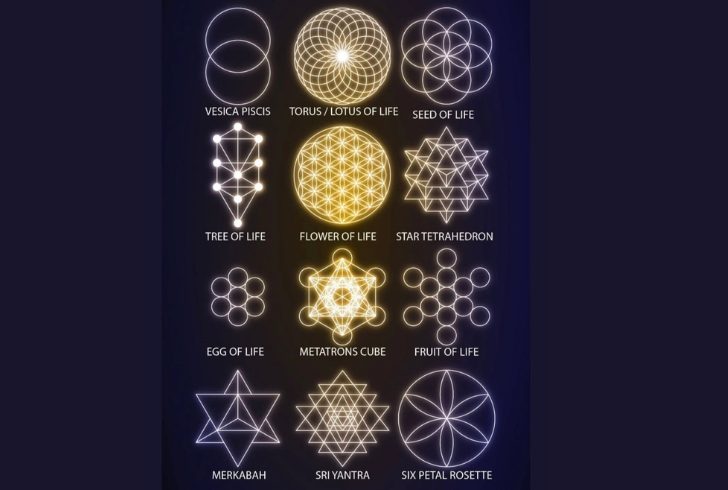
Instagram | @qhht.australia | Greek ideas about numbers and harmony shaped Kabbalah’s use of symbols, patterns, and spiritual codes.
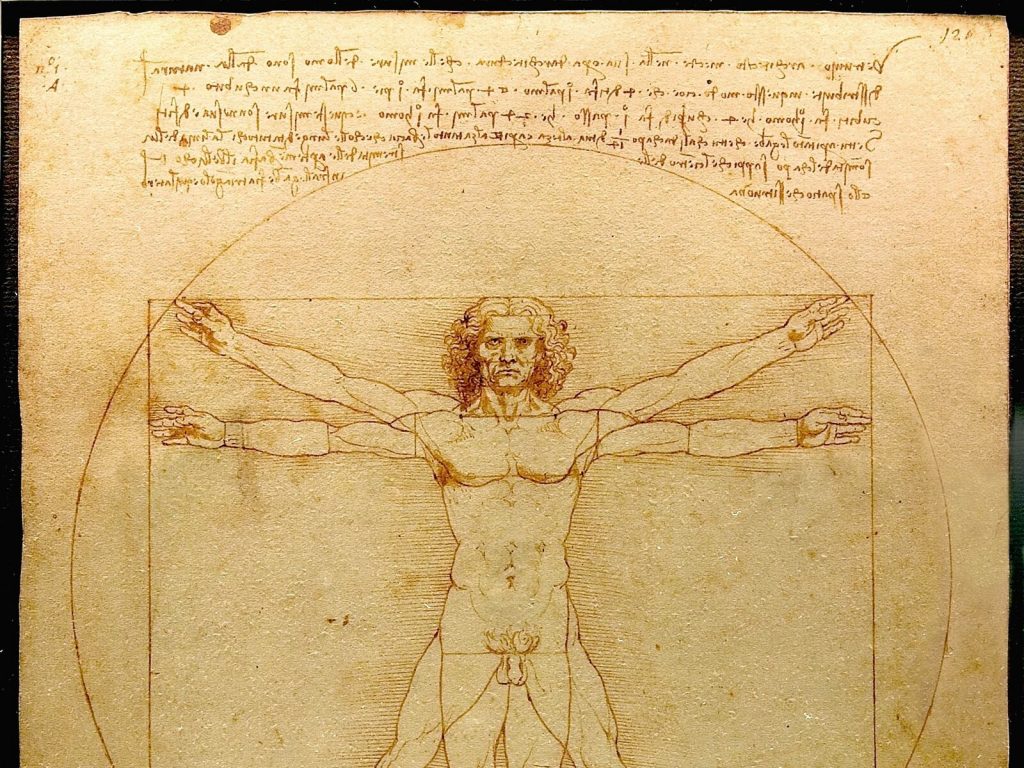
Greek philosophical symbolism also left visible marks on Kabbalistic expression. Pythagorean reverence for number, harmony, and proportion resonates strongly with gematria, the Kabbalistic practice of numerical interpretation.
Likewise, the Tree of Life reflects geometric balance and structured relationships that echo Greek mathematical ideals.
Even concepts of unity and wisdom overlap symbolically. Greek ideas surrounding “One” and Sophia align strikingly with the Kabbalistic themes of Ein Sof and Chokhmah, the Sefirah of wisdom.
This symbolic convergence shows how both traditions sought to express metaphysical truth through layered language, numerical patterns, and sacred structure.
Transforming Philosophy Into Mysticism
The power of Kabbalah lies in its synthesis. Rather than copying Greek philosophy, Jewish mystics transformed it. They absorbed useful conceptual tools, then redirected them toward Jewish theological and spiritual goals.
Neoplatonic emanation helped explain divine flow. Gnostic secrecy reinforced mystical interpretation. Aristotelian logic organized spiritual concepts into a coherent map.
Yet the result remained distinctly Jewish.
The Bible, the Talmud, prophetic symbolism, and rabbinic theology continued to shape Kabbalah’s foundation. Greek philosophy simply gave medieval mystics a broader vocabulary to describe truths they believed already existed within sacred tradition.
The relationship between Greek philosophy and Kabbalah continues to fascinate scholars because it reveals how ideas travel, evolve, and deepen across cultures. Kabbalah did not merely inherit Greek thought. Instead, it reshaped it into a spiritual language centered on divine unity, sacred symbolism, and the soul’s return.
That fusion still resonates today because it bridges reason and mysticism, logic and transcendence, philosophy and faith. In that meeting point, Kabbalah found one of its most enduring strengths.